06 October 2026
Court Process After Mediation
Presented by @edgarbawv663
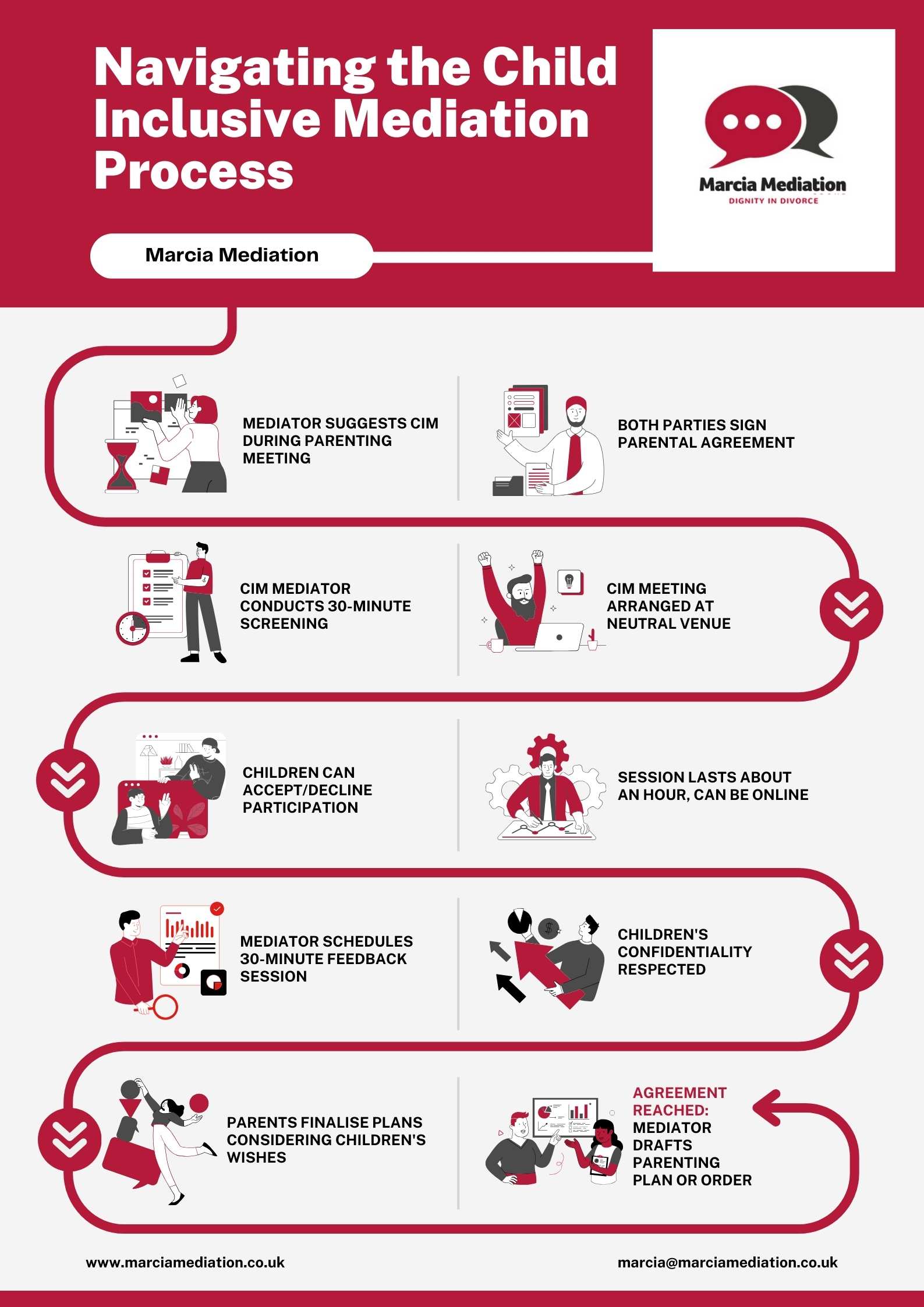
What Is Mediation? Mediation is a volunteer process in which both sides consult with a neutral 3rd party (the mediator) to resolve legal conflicts and get to a common arrangement. As opposed to suggesting your placement in court, mediation enables you to talk through your concerns with the other celebration in a structured setting to recognize your objectives and effort to solve your concerns agreeably. Whether a contract is gotten to, events should attend their next scheduled court hearing. An arbitration session might be ended by any of the participants or by the moderator. If no arrangement is reached, a Judge or Magistrate might make a final decision. While unsatisfactory, mediation impasse does not indicate you have actually wasted time, given that the procedure often tightens conflicts, removes peripheral issues, and supplies understanding right into the Reduced legal costs various other party's placement. You must submit a claim in order to acquire a last decree of separation, or you continue to be married. I have actually had 2 scenarios experienced in the past that show up typically sufficient to discuss. The very first, where it was clear that defendant was financially troubled and plaintiff needed to do its due diligence to determine supposed bankruptcy.
- Arbitration can help deal with any point of opinion between the parties without court treatment.
- In these situations, lawsuits may supply stronger safeguards and clearer enforcement devices.
- However, it's important to understand the lawful grounds and process included.
- That implies that a neutral individual (the arbitrator) assists the events work out the regards to their negotiation.
- If you wish to obtain an attorney to assist you through arbitration, you need to search for one that truly sustains the procedure.
Who Must Get Involved?
When to stay clear of mediation?
- There is a power inequality: When there is a substantial power discrepancy in between the celebrations, you need to stay clear of mediation.Lack of excellent faith: Mediation needs that every person pertains to the table with an open mind and readiness to negotiate.
Employment Dispute/discrimination
Whatever the nature of the disagreement, if there is any passion in protecting the relationship, arbitration would certainly be the advised strategy. The moderator will typically declare a deadlock, ending the formal mediation process without prejudice to either event's legal rights. This declaration doesn't avoid future settlement discussions or additional arbitration sessions if conditions transform. Yes, you can go to court after mediation stops working since most arbitration is non-binding and does not eliminate your right to pursue lawsuits unless you signed a negotiation contract throughout the process. One where the case has actually already been submitted and appointed to a judge and the other when you have a pre-litigation mediation. In mediation, the mediator pays attention to every event's variation of the facts and each event's debate as to how those realities bring about a legal verdict. The mediator after that makes a decision for the parties on their disputed issues. That means that the decision of the mediator manages the outcome. That suggests the mediator's choice can be accepted by the parties as the last verdict or the events can elect to continue settling their dispute in a Emotional well-being law court. Mediation is a chance for parties to fix their own conflict rather than turning over control of the decision process to the court.